
Optimal Timing for Fire Restorations
Determining the optimal time for fire restorations involves considering seasonal weather patterns, property usage, and environmental conditions. Typically, restoration work is most effective during the milder months when weather conditions are stable, reducing delays caused by extreme heat, cold, or precipitation.
Spring and fall often provide the best conditions for fire restoration due to moderate temperatures and lower humidity levels.
Avoiding periods of heavy rain, snow, or extreme heat can prevent delays and ensure safety during restoration activities.
Scheduling restorations when property occupancy is minimal can facilitate quicker and more efficient work.
Restorations are often prioritized after fire seasons when the risk has subsided, ensuring safety and resource availability.
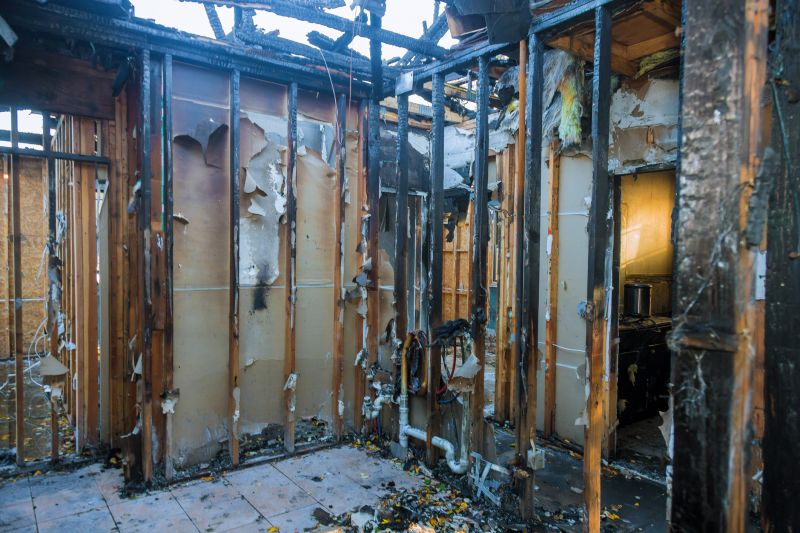
Ways to make Fire Restorations work in tight or awkward layouts.
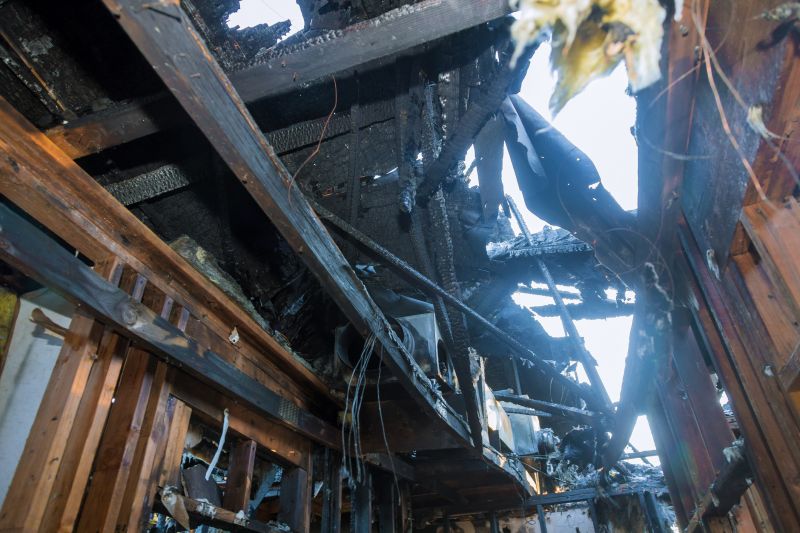
Popular materials for Fire Restorations and why they hold up over time.
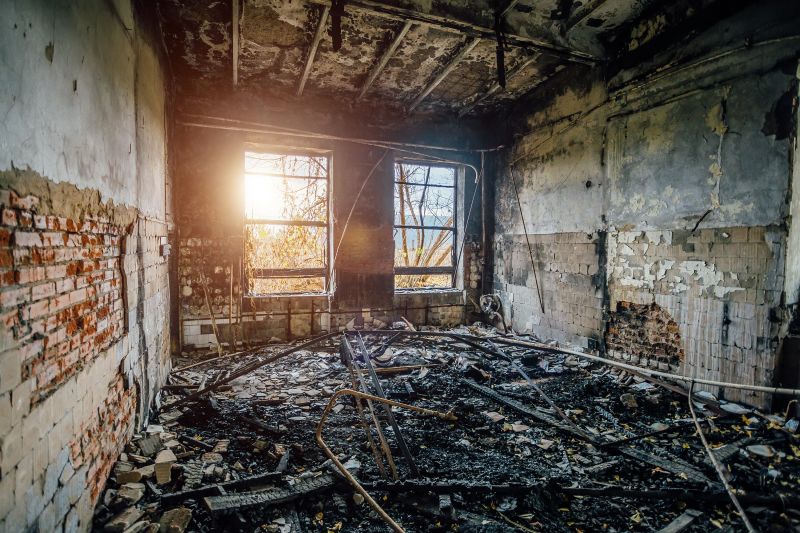
Simple add-ons that improve Fire Restorations without blowing the budget.
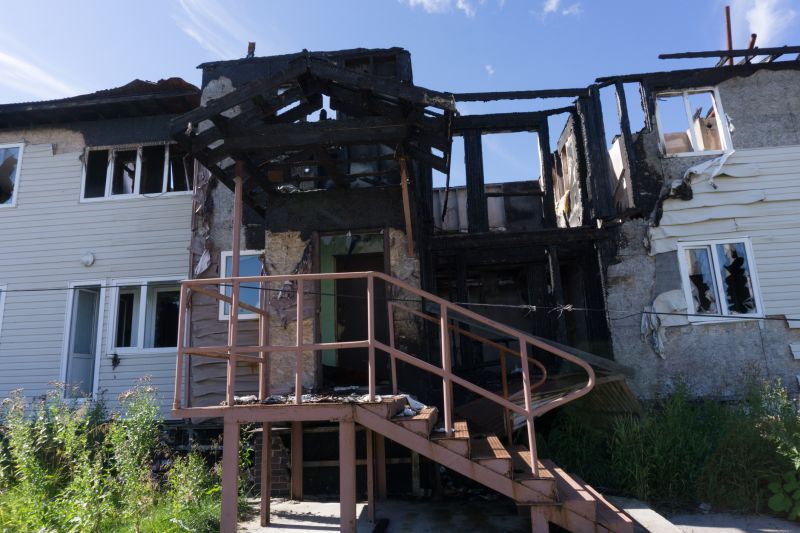
High-end options that actually feel worth it for Fire Restorations.
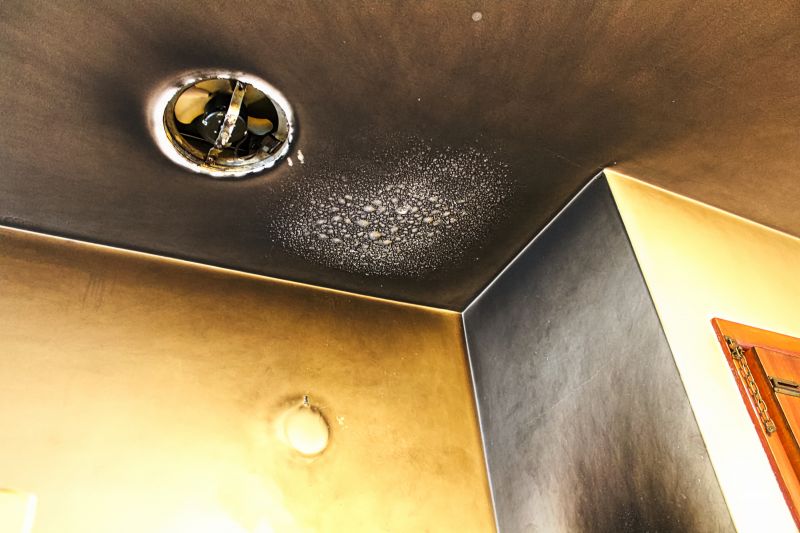
Finishes and colors that play nicely with Fire Restorations.
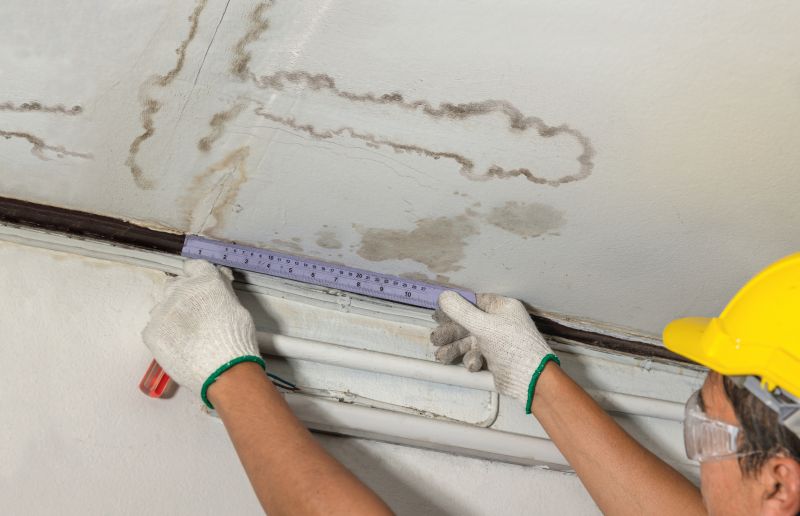
Little measurements that prevent headaches on Fire Restorations day.

A 60-second routine that keeps Fire Restorations looking new.
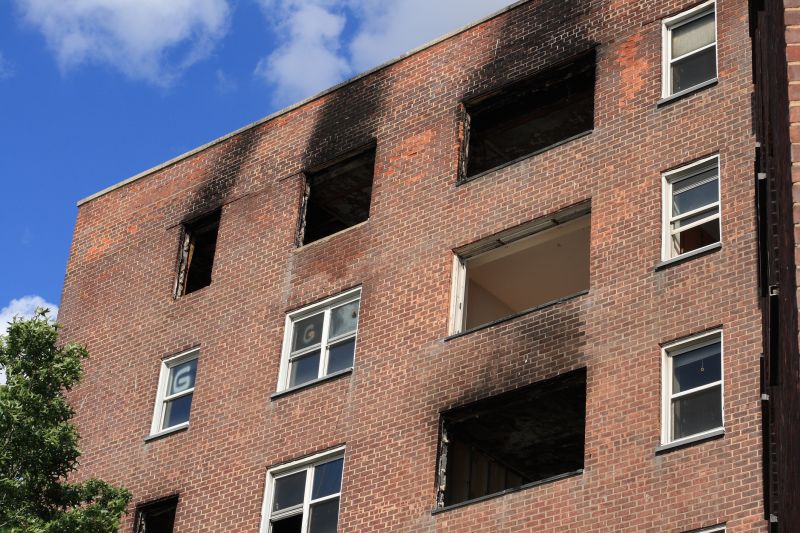
A frequent mistake in Fire Restorations and how to dodge it.
Fire restorations encompass a comprehensive process that addresses damage caused by fires, including structural compromise, smoke and soot deposits, and water damage from firefighting efforts. Proper restoration not only restores the aesthetic appeal of a property but also ensures its safety and functionality. Statistics show that timely fire restoration can reduce repair costs by up to 30 percent and significantly decrease the risk of mold growth and structural failure.
Advanced techniques and equipment are employed to assess damage, remove contaminants, and restore affected areas. The process often involves debris removal, cleaning, structural repairs, smoke odor elimination, and moisture control. Properly executed fire restorations can help properties regain their original condition and prevent future issues related to fire damage.

Small tweaks to make Fire Restorations safer and easier to use.
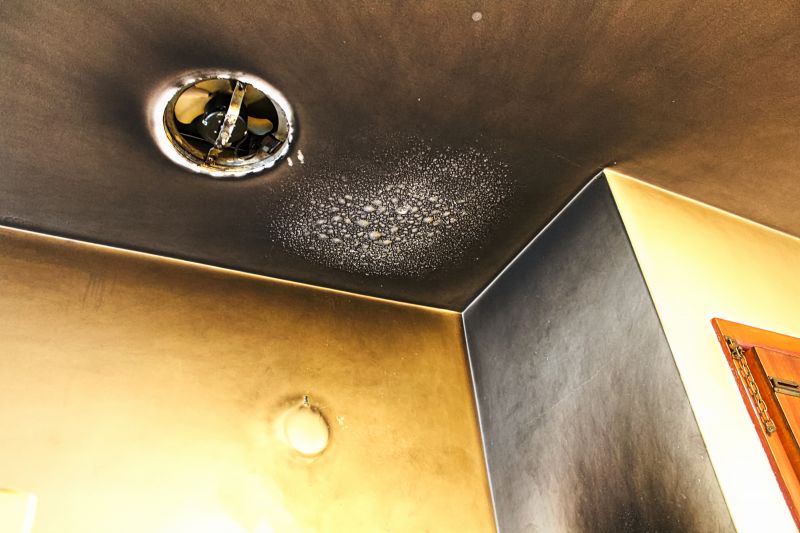
Lower-waste or water-saving choices for Fire Restorations.
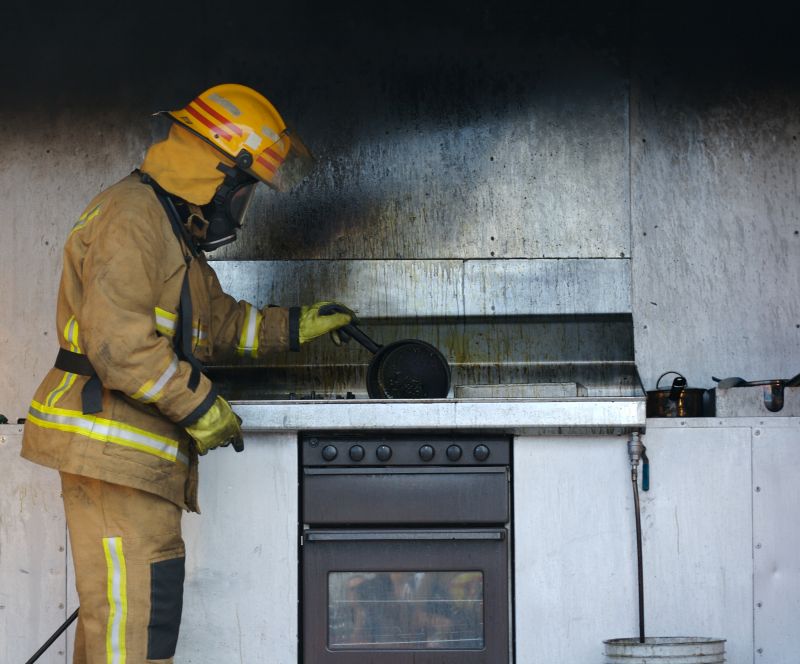
The short, realistic tool list for quality Fire Restorations.
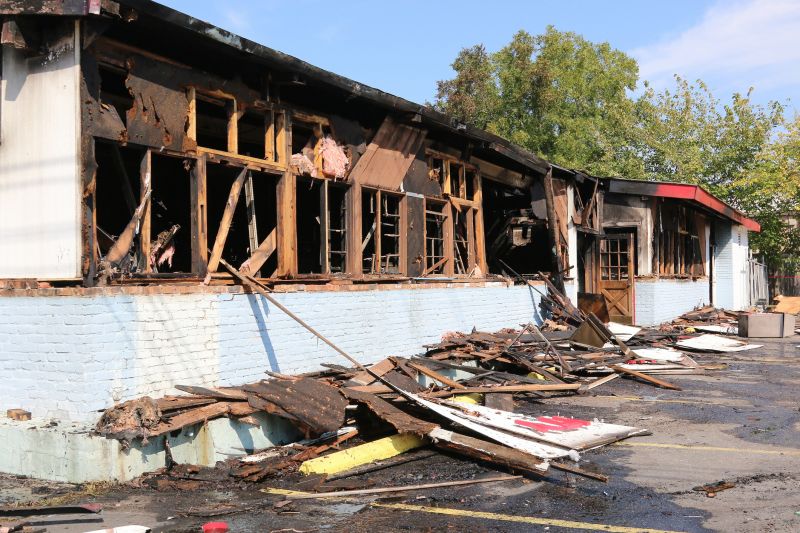
Rough timing from prep to clean-up for Fire Restorations.
| Aspect | Details |
|---|---|
| Optimal Seasons | Spring and fall offer the best weather conditions for fire restoration. |
| Post-Fire Timing | Immediate restoration following a fire prevents further damage and mold growth. |
| Weather Delays | High humidity, rain, or snow can delay restoration efforts. |
| Property Usage | Scheduling during periods of low occupancy can facilitate work. |
| Fire Season Timing | Restorations are often prioritized after fire seasons when risks decrease. |
| Emergency Response | Quick action post-fire reduces overall damage and costs. |
| Environmental Factors | Stable weather reduces safety risks for restoration crews. |
| Long-term Planning | Restoration timing should consider upcoming weather forecasts and fire risks. |
Interested property owners or managers in Lenexa, KS, are encouraged to contact for more information about fire restoration services. Proper timing and execution are essential to restoring properties effectively after fire incidents and minimizing long-term damage.